
Childhood Speech Problems: Types, Causes and Speech Therapy
Every child has a different growing phase and pace. Some can walk, talk, write, and learn easily, while others may find difficulties or struggle with pronunciation, language, fluency, or expressing their thoughts. Although in the early stage of life some pronunciation-related errors are common, persistent difficulties require medical attention.
Speech problem therapy helps children to communicate, pronounce, and understand properly. With the right support and practice, these problems can be dealt with easily.
What Is Speech Problem Therapy?
Speech problem therapy is designed to help children who struggle to communicate. A professional first understands a child’s individual problem, then decides what kind of therapy he or she needs. Depending on children’s needs, therapy may focus on their communication skills, speech fluency, sentence formation, social communication, etc.
Common Speech Problems in Children
1. Articulation and Pronunciation Problems
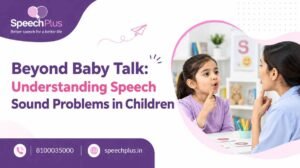
Children sometimes replace, skip, or incorrectly pronounce words in a sentence. As a result, even parents find it difficult to understand their feelings. Speech and language therapists help them build a bridge with the kids by making them practise sounds and words in a structured and engaging way.
2. Stammering or Stuttering
Some children take certain pauses while speaking, fumble a lot, and stretch words frequently, which can irritate them, and they might feel frustrated. An experienced speech therapist may help improve communication comfort and fluency.
3. Language Delays
A child may understand less than expected; he or she uses fewer words or struggles to form sentences. Language-focused therapy can support vocabulary development, sentence formation, understanding, and self-expression.
4. Social Communication Difficulties
Communication is not just speaking. Using two or three consecutive words together can’t be considered communication. Children must learn how to form meaningful sentences, take turns, understand social cues, and respond appropriately. Therapy helps children to deal with these problems.
How Does Speech Therapy Help?
Therapy sessions are always based on and planned around an individual child’s age and problem. This individuality always helps them to grow properly. Therapy sessions may include picture cards, storytelling, games, conversation practice, sound exercises, and play-based activities.
The therapist may help the child gradually move from:
Sounds → Words → Sentences → Conversations
The Role of Parents
Parents are the most important pillar of a child’s life. Through simple activities, they can help children to socialise more. Simple activities such as reading together, talking during daily routines, giving the child time to respond, and practising therapist-recommended activities can encourage communication.
Final Thoughts
Speech problems in children can affect communication, learning, and confidence. However, every child is different, and progress may take time. The right speech therapy can provide personalised support for pronunciation difficulties, language delays, fluency issues, and other child speech problems.