

Proven Exercises Used in Voice Disorder Therapy: Learn the Techniques That Really Work!
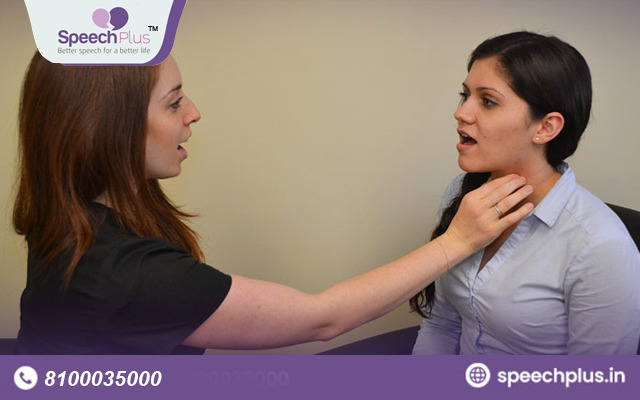
Our voice reflects our personality as it is the medium through which we express our emotions and thoughts. However, for some individuals, speaking may be challenging at times, making day-to-day communication stressful. Whether it is a constant hoarseness in voice or a complete loss of voice due to underlying health conditions, even simple conversations may become difficult. Fortunately, with voice disorder therapy, one can strengthen and restore one’s voice.
In this blog, we will discuss some effective exercises recommended or used by therapists at many reputable clinics for voice disorder therapy in Kolkata. Let’s walk you through some easy-to-follow voice therapy techniques and exercises, which will not only help restore your natural voice but also protect it from vocal strain.
Significance of Voice Exercises
Your voice needs care and protection to stay healthy and functional. Therapists often recommend that individuals practice voice therapy exercises to:
- Minimise strain on the vocal cords, especially after long hours of speaking (particularly effective for teachers, voice professionals, or public speakers)
- Strengthen vocal endurance, allowing your voice to stay clear and stable without fatigue
- Enhance pitch control and clarity, making it easy for others to understand your voice
- Heal after voice overuse or injury, such as after singing beyond your range, shouting at sports events, etc.
These vocal exercises or voice disorder therapy techniques prevent vocal strain, hoarseness, or breathiness in your voice.
Top 5 Proven Exercises Used in Voice Disorder Therapy
The following exercises and techniques are suitable for anyone who struggles with their voice and often faces difficulty maintaining simple everyday conversations.
1. Breathing Exercises to Create a Strong Vocal Foundation
The secret to a healthy voice starts with good breathing habits.
- Diaphragmatic Breathing: This technique uses your diaphragm, enabling you to strengthen and stabilise your voice. Place one hand on your stomach and take deep breaths. During each breath, ensure that your belly rises and not your chest.
- Breath Control Technique: Take a deep breath and release it gradually while producing the “ssssss” sound. This effective practice boosts your breath control abilities and improves airflow, ensuring voice clarity.
2. Lip and Tongue Thrills
You surely have heard of these fun exercises, and the best part is that they are excellent for treating voice disorders.
- Lip Thrill: Close your lips and blow air through them to create a “brrrr” sound.
- Tongue Thrill: Relax your tongue and place the tongue tip against the roof of your mouth just behind your upper front teeth. Blow air, make the tongue vibrate, and create a rolling sound, like a “rrrr”.
Both the lip and tongue thrills help loosen up your vocal cords, build endurance, improve vocal fold flexibility, boost articulation, and improve breath flow.
3. Humming to Promote Vocal Relaxation and Warm-Up
Humming is a gentle technique to warm up and relax your vocal cords without strain.
- Hum softly at a relaxed and comfortable pitch.
- Gradually move towards a lower or higher pitch while keeping your throat relaxed to avoid vocal strain.
The humming exercise enhances vocal resonance and tone, alleviates vocal tension, provides support for breath control, and promotes pitch accuracy.
4. The “Mmm” Exercise
The “mmm” exercise helps improve vocal resonance and clarity while gently activating the vocal cords.
- Close your lips and produce the “mmm” sound, just like you do while enjoying some delicious food.
- Feel the vibration in your lips and face, a phenomenon known as resonance.
- Hold the sound for a few seconds before releasing.
- Breathe and repeat 5-10 times. You can switch to lower or higher pitches gradually based on your comfort level.
The “mmm” exercise improves the richness and clarity of your voice while ensuring smooth speech production.
5. Straw Phonation
This is an easy-to-do technique that requires only a small drinking straw.
- Blow air through the straw while making a gentle “buzzing” sound.
- You can bring subtle variations in the upper or lower pitches while maintaining a steady airflow.
The straw phonation technique minimises strain on the vocal cords, supports breath control, improves vocal fold vibration efficiency, and helps recover one’s voice from injury or overuse.
Final Words
Your voice is your identity, so it deserves the right care. These proven voice therapy exercises are highly effective in restoring your natural voice and protecting your vocal cords, helping you regain clarity and confidence. If your voice feels strained, weak, or hoarse for more than 2 weeks, it’s high time to seek help from a professional. Visit a recognised clinic for voice disorder therapy in Kolkata, like Speech Plus, where you will receive tailored voice therapy exercises based on your unique needs and challenges.
FAQs
How to practice voice exercises safely?
Always consult a qualified speech-language pathologist (SLP) before beginning any exercise routine. A professional will provide personalised guidance on the right technique suitable for your unique vocal needs and disorder. You should also stay hydrated throughout the day and avoid yelling too much to avoid vocal strain.
Can I do these exercises at home?
Yes, most of the voice disorder therapy exercises are designed to be practised at home safely. To avoid overstraining your voice, start slowly and stay hydrated by sipping water throughout the day. Again, your SLP will be the right person to offer tailored exercises and guidance on how to perform them safely at home.
How often should I practice these vocal exercises?
The key to improving outcomes is being consistent. Start by practising for 5-10 minutes a day and then increase your duration gradually as your vocal strength and comfort level improve. However, never overstain your voice and stop and rest when you feel pain or discomfort.
